TikTok has changed how people watch and share content. Short videos are no longer just for fun trends or dance clips. They are now a serious way for brands to get attention, explain ideas, and sell products. But while TikTok looks simple on the screen, making good videos for it is not easy at all.
Many businesses struggle with the same problem. They know TikTok matters, but they do not have the time, skills, or budget to create videos every day. Editing feels slow, confusing, and tiring. Trends move fast, and by the time a video is ready, the moment is often gone. This gap between knowing what to post and actually posting it is where most creators and teams get stuck.
This is why the idea of an ai tiktok video editor has started to feel less like a bonus and more like a need. It is not about fancy effects or viral tricks. It is about removing friction from a process that has become too demanding for most people to handle on their own.
Why traditional TikTok editing feels harder than it should
On paper, TikTok videos are short. Most are under a minute. But the work behind them is anything but small. Traditional editing tools were not built for this pace. They were made for long videos, detailed timelines, and users who had hours to polish every cut.
For a business owner or marketer, this creates a mismatch. You open a complex editor just to trim clips, add text, and match music. You spend more time learning the tool than shaping the message. Simple tasks take far longer than expected, and the creative energy drains away before the video even feels ready.
There is also the issue of consistency. TikTok rewards regular posting. Missing days or weeks can hurt reach and momentum. But traditional workflows rely heavily on manual effort. Each video starts from scratch. Each edit depends on the same limited people. Over time, this becomes unsustainable.
Cost is another quiet problem. Hiring editors or agencies adds up quickly. For small teams, this often means choosing between quality and frequency. Neither choice really works, because TikTok demands both.
How AI changes the way people understand video creation
AI does not just speed things up. It changes how people think about making videos in the first place. Instead of focusing on tools and steps, creators can focus on ideas and outcomes. With AI, the editor starts to understand intent. You are no longer telling the software how to edit every second. You are guiding it with inputs like a script, a theme, or a goal. The system fills in the gaps by applying patterns learned from thousands of high-performing videos.
This shift matters because it lowers the mental load. People who once avoided video editing now feel confident starting. They are not blocked by timelines or layers. They can test ideas faster, see results sooner, and learn by doing rather than studying manuals.
Retention also improves. When editing feels simple, people keep using the tool. They experiment more. Over time, they build a better sense of what works on TikTok, without feeling overwhelmed by the process itself.
Where AI makes the biggest difference in TikTok creation
TikTok has its own language. Fast cuts, bold captions, pacing that holds attention in the first three seconds. AI systems trained on short-form video understand these patterns far better than general-purpose editors.
An ai tiktok video editor can help shape videos to match platform behavior. It suggests layouts that fit vertical screens. It times captions to speech naturally. It aligns visuals with trending audio instead of forcing creators to guess.
Another key improvement is speed. AI can turn raw clips or even text into a finished draft in minutes. This makes it easier to react to trends while they are still relevant. Businesses can move at the same pace as the platform instead of always being late.
Most importantly, AI removes the fear of starting. When the first version is already there, improving it feels doable. That alone unlocks a lot of creativity that was previously stuck behind technical barriers.
The core challenge this product addresses
The real problem is not editing itself. It is the gap between ideas and execution. Many teams know what they want to say on TikTok, but they cannot turn that idea into a video fast enough.
Tools like the TikTok video editor offered by Invideo focus on closing that gap. Instead of asking users to build everything from scratch, the process starts with intent. What is the video about? Who is it for? What should happen next?
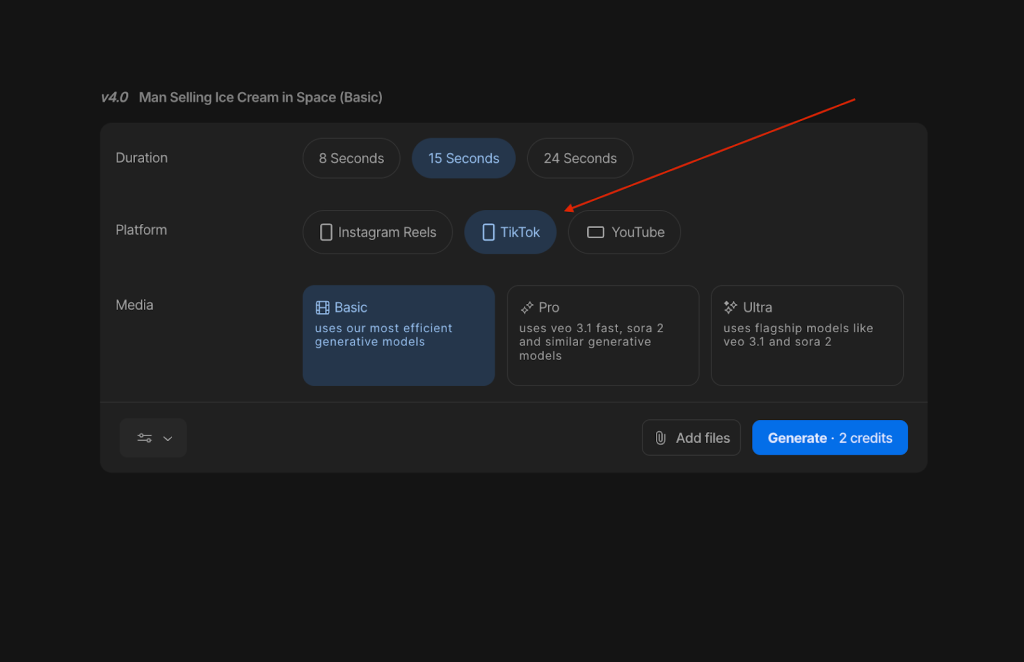
From there, the editor helps shape the content into a TikTok-ready format. This includes visuals, timing, captions, and music, all aligned with how people actually consume short videos.
By reducing setup time and decision fatigue, the tool allows users to publish more often without lowering quality. That balance is what most businesses have been missing.
How people actually use this in their daily workflow
In real life, workflows are messy. Ideas come late. Content needs change quickly. An effective ai video app fits into this reality instead of forcing a rigid process.
A typical workflow might start with a simple idea or script. The user drops this into the editor. The AI creates a draft video with visuals, transitions, and text. From there, the user makes small edits instead of building everything themselves.
This matters because small edits feel manageable. Adjusting a caption or swapping a clip takes minutes, not hours. Teams can review and approve faster. Content no longer sits in limbo waiting for someone with editing skills.
Over time, users build a rhythm. They batch ideas, generate multiple drafts, and schedule posts ahead of time. What once felt chaotic becomes repeatable.
Real use cases businesses care about
For ecommerce brands, TikTok videos often focus on showing products in action. AI helps turn product images or short clips into engaging videos without a full shoot. This makes it easier to test different angles and messages.
Service businesses use TikTok to explain concepts or share tips. Instead of talking to the camera for hours, they can turn scripts into videos with visuals and captions that keep attention.
Agencies and marketers benefit from scale. Managing content for multiple clients becomes easier when video creation does not depend on heavy manual work. AI helps maintain quality while increasing output.
Even solo creators use these tools to stay consistent. When energy or time is low, having help with editing can be the difference between posting and disappearing.
What this means for the future of creators and teams
As AI becomes part of the creative process, skills will shift. Editing mechanics will matter less. Story, clarity, and timing will matter more. People who understand their audience will have an advantage, even if they are not technical.
This also levels the field. Small teams can compete with larger ones because production speed is no longer a barrier. Ideas win more often than budgets.
For businesses, this means TikTok becomes more accessible. It is no longer a channel reserved for brands with dedicated video teams. It becomes part of everyday marketing.
Bringing it all together
TikTok is fast, demanding, and unforgiving of slow workflows. Traditional editing tools were not built for this reality, and most businesses feel that strain every day.
An ai tiktok video editor changes the equation by removing friction, speeding up creation, and letting people focus on what they want to say rather than how to say it. Tools like Invideo show how AI can fit naturally into real workflows, not as a gimmick, but as practical support.
For businesses that want to stay visible and relevant on TikTok, this shift is hard to ignore. The future of short-form video is not about working harder. It is about working smarter, with tools that move at the same speed as the platform itself.