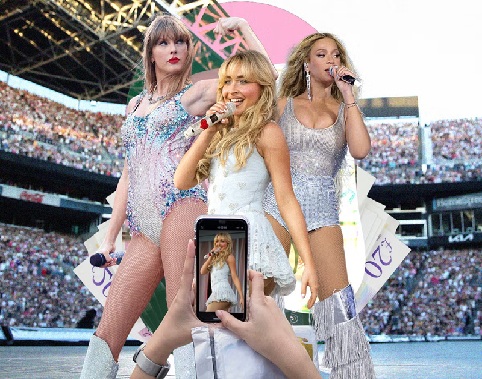
If you have ever searched for concert tickets weeks in advance and then checked again just days before the event, you have probably noticed a frustrating pattern. Prices that once seemed reasonable suddenly spike, sometimes dramatically. This is not random or accidental. Concert ticket pricing follows carefully designed strategies influenced by demand, technology, and human behaviour. Understanding why tickets become more expensive as the event date approaches can help you make smarter buying decisions and avoid paying more than necessary.
The Role Of Demand And Scarcity
At the core of rising ticket prices is basic supply and demand. Concert venues have a fixed number of seats. Once tickets go on sale, early buyers usually secure the best options at standard prices. As time passes and more tickets are sold, availability drops. Scarcity increases perceived value, and prices respond accordingly.
When fans see that tickets are selling fast, urgency kicks in. This emotional response encourages last-minute buyers to accept higher prices rather than miss out on the experience entirely. Event organisers and ticket platforms know this behaviour well and factor it into their pricing models.
Dynamic Pricing Models
Dynamic pricing is one of the biggest reasons concert tickets increase closer to the date. Similar to airline tickets or hotel rooms, concert tickets often adjust in real time based on demand. If an artist is trending on social media, releasing new music, or receiving strong press coverage, demand can surge overnight.
Ticketing systems analyse browsing data, search activity, and purchase rates. When interest rises, prices automatically adjust upward. While this benefits promoters and venues, it can be frustrating for fans who wait too long, hoping prices will drop.
Psychological Factors And Buyer Behaviour
Human psychology plays a powerful role in late-stage ticket pricing. Fear of missing out drives impulsive purchases. When the concert date is near, fans feel pressure to commit, especially if friends are attending or social media is filled with event-related content.
This emotional urgency mirrors decision-making patterns seen in other high-pressure situations, not unlike how people respond when enrolling in a Mental Health Crisis Response Course, where timing and perceived importance strongly influence action. Ticket platforms leverage similar behavioural cues, knowing that urgency reduces price sensitivity.
Resale Market Pressure
Another major contributor is the resale market. Many tickets are purchased early by resellers who anticipate high demand. As the event approaches and official tickets sell out, these resellers list their tickets at higher prices.
The closer the concert date gets, the more leverage resellers gain. Fans who are emotionally invested and have limited alternatives are more likely to pay inflated prices. Even official platforms often integrate resale listings, which can push average ticket prices higher across the board.
Marketing And Artist Popularity Growth
Artists are not static brands. In the weeks leading up to a concert, popularity can grow quickly. A viral performance, an award nomination, or a media appearance can attract new fans who were not initially planning to attend.
This sudden spike in interest late in the sales cycle creates additional demand without increasing supply. As a result, ticket prices rise to reflect the increased willingness to pay. This is especially common for emerging artists who gain momentum after tickets go on sale.
Venue And Seating Algorithms
Not all seats are priced equally, and algorithms constantly reassess their value. Seats with better views, central locations, or proximity to the stage often see sharper price increases over time. As cheaper seats sell out, remaining inventory naturally shifts toward higher-priced options.
This can create the illusion that all tickets have become more expensive, when in reality, only premium sections remain available. However, from a buyer’s perspective, the outcome feels the same: higher costs closer to the event.
Additional Costs And Fees
As the event approaches, service fees, processing charges, and delivery options can also increase. Express digital delivery or last-minute ticket transfers may come with added costs. These extra fees often go unnoticed until checkout, making tickets feel even more expensive close to the date.
While base prices may not always skyrocket, cumulative fees contribute significantly to the final amount paid by late buyers.
Why Early Buyers Have An Advantage?
Buying early often means access to lower base prices, better seat selection, and fewer added fees. Early buyers also avoid the stress of competing with last-minute demand surges. This is why seasoned concertgoers treat ticket purchases as part of event planning, similar to how people schedule professional development or wellness programs like Mental Health Courses Gold Coast well in advance rather than waiting until options are limited.
When Waiting Can Still Work?
Although prices usually rise, there are rare exceptions. If an event is underselling, prices may drop closer to the date as promoters try to fill seats. However, this is unpredictable and risk-heavy. Waiting in hopes of a discount often backfires for high-demand artists or popular venues.
Smart buyers track demand trends, monitor pricing tools, and set alerts rather than relying on last-minute luck.
Final Thoughts
Concert tickets become more expensive closer to the date due to a mix of demand-driven pricing, resale market influence, psychological urgency, and algorithm-based adjustments. While it can be tempting to wait, understanding these forces shows why early planning is usually the most cost-effective approach. Just as proactive preparation matters in areas like First Aid Mental Health, anticipating needs early helps reduce stress and unnecessary expense. When it comes to concerts, the earlier you plan, the better your chances of enjoying the show without overpaying for the ticket.